Tamalada
a bespoke family tradition
A tamalada is a traditional gathering—often around the holidays—where family and friends come together to make and enjoy tamales. It’s both a social event and a culinary tradition deeply rooted in Mexican and Mexican American culture
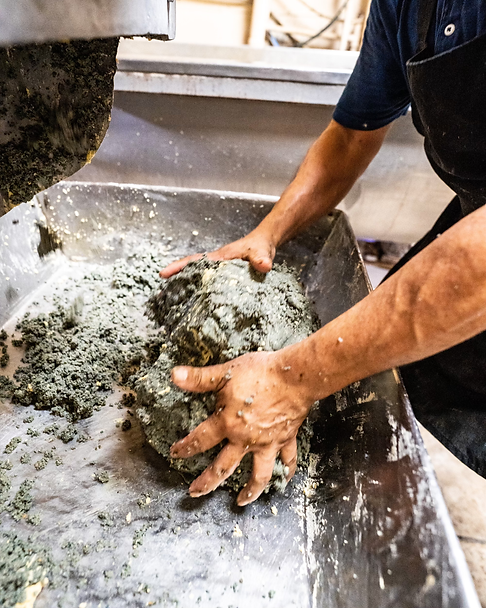
What Happens at a Tamalada
-
Tamale-making party: In the U.S. Southwest, especially among Mexican American families, a tamalada is commonly understood as a tamale-making party. Guests work together to prepare masa (corn dough), fillings, and husks, then assemble and steam dozens—sometimes hundreds—of tamales.
-
Generational tradition: Recipes and techniques are often passed down from grandparents or parents, making it a way to preserve family heritage.
-
Labor of love: Preparing tamales is time-intensive—soaking husks, kneading masa, seasoning meats, and carefully folding each tamal. Doing it as a group makes the process joyful rather than burdensome.
Cultural Significance
-
Holiday connection: Tamaladas are especially popular during Christmas and New Year celebrations, though they can happen at birthdays, weddings, or other festive occasions.
-
Community bonding: Beyond food, tamaladas are about storytelling, laughter, and sometimes even music and dancing. They embody conviviality—the joy of working together while sharing family news, jokes, or gossip (“chisme”).
-
Symbol of identity: For many Mexican American families, hosting or attending a tamalada is a way to stay connected to cultural roots and reinforce community ties.


Tamales at the Center
-
Main dish: Tamales are the star of the tamalada. They’re made of masa filled with meats, cheeses, or vegetables, wrapped in corn husks or banana leaves, and steamed until tender.
-
Portable tradition: Historically, tamaladas were also outdoor picnics or countryside gatherings, since tamales are easy to transport and eat without utensils
Why It Matters
A tamalada is more than just cooking—it’s a ritual of family, memory, and celebration. It transforms a labor-intensive dish into a shared experience, ensuring that cultural traditions live on through generations.
Would you like me to share a step-by-step breakdown of how a family typically organizes a tamalada, almost like a festive assembly line? That way, you could picture the whole process from husk soaking to steaming.

Contact Information
Thank you for your interest in Ancient Heirloom Grains tamalada! The cost is to meet the unique desires of each family. To get started, please select a convenient time on the calendar below for a consultation with Chef Pauly Morales. Look forward to creating something special for you!
%20(2).jpg)